
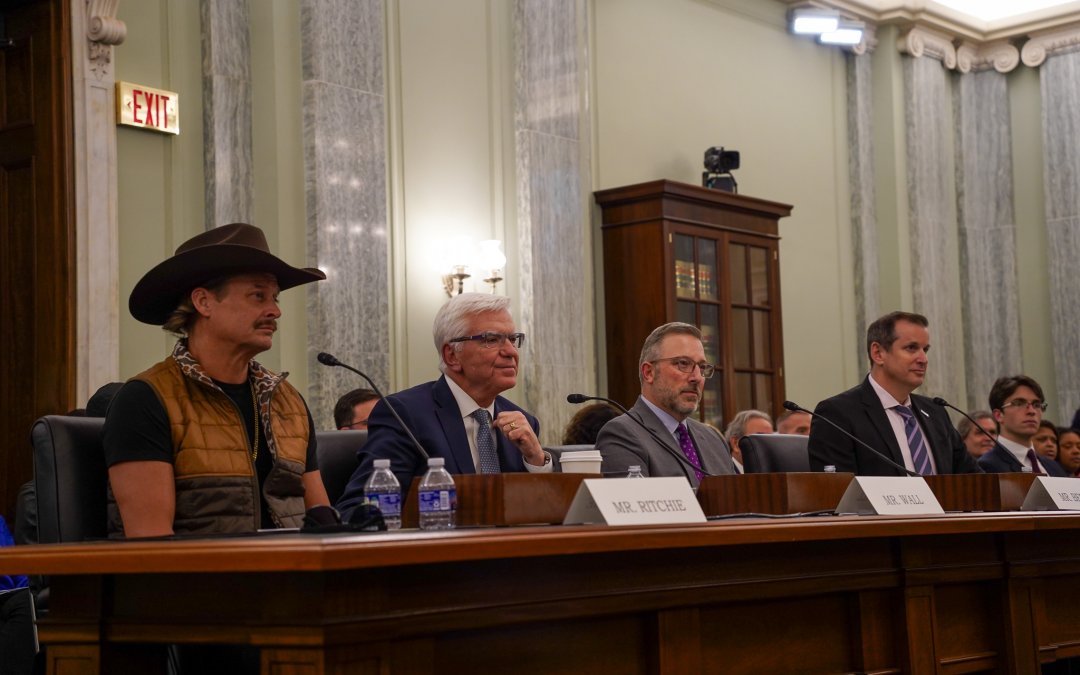
WASHINGTON – Live Nation executive, Dan Wall, on Wednesday told senators that despite his company’s measures to fend off millions of automated bots, they are not able to stop them from excessively increasing the prices of resale tickets.
“We’re fighting back with the most sophisticated defenses out there, including most recently, identity verification,” Wall told the Senate’s subcommittee on Consumer Protection, Technology, and Data Privacy hearing.
Senators grilled Wall for Live Nation’s role in failing to protect buyers. Live Nation, which is the parent company of Ticketmaster, dominates the ticketing market, making up over 80% of major concert venues’ primary ticketing for live events.
“So, given the allegations in the FTC’s complaint, how can you possibly stand on that sentiment?” Sen. Marsha Blackburn, R-Tenn., said.
Wall said the company disputed the FTC’s charges. “In the fourth quarter of 2025 alone, we blocked 566 million bots per day,” added Walls, executive vice president.
Over the past year, Congress has been critical of the live entertainment industry’s lack of initiative in increasing security measures for their ticketing software. In March 2025, President Trump issued an executive order directing the Attorney General and the Federal Trade Commission (FTC) to enforce measures to combat unfair practices in the live entertainment industry. The House passed a bill last year but the Senate has yet to act.
“Fans deserve fairness, transparency, and a real chance to see the artists they love,” Blackburn said.
The subcommittee invited singer Robert Ritchie, more widely known as Kid Rock, to testify on behalf of artists frustrated by the lack of accountability and action by the ticketing industry.
“I believe music fans and artists have been screwed for far too long by the ticketing system,” Kid Rock said in his opening remarks. “No artist should be forced to sell their tickets without a say in who sells them, and how they are sold.”
He’s also advocated for a 10% increase cap on resale ticket prices in the U.S., citing that tickets will protect both fans and artists from price gouging.
In Sept. 2025, the FTC, and seven states filed a lawsuit against Live Nation and Ticketmaster claiming that they earned millions by allowing ticket brokers to sell illegally obtained tickets on the platform’s resale marketplace. During his testimony, Wall stressed that Ticketmaster has since made systemic changes to their platform, like prohibiting ticket brokers from posting resale tickets on more than one account.
Senators criticized the live entertainment industry’s inaction to prohibit speculative ticketing, also known as ghost tickets, on their sites, as the rise of “fake” tickets on secondary platforms leave buyers disappointed and without the memorable experiences they pay for.
“This deception means less fans supporting performers,” said ranking member Sen. John Hickenlooper, D-Colo. “That erodes the trust in the entire entertainment industry.”
David Weingarden, the Co-Founder of the Colorado Independent Venue Association, emphasized that ghost tickets, and similar scams, leave venues helpless and at the front lines of fans’ frustrations.
“Fans don’t blame the scalpers who sold it to them, they blame the venues and the artists,” he said.
All of the witnesses agreed that a ban on speculative tickets should be codified by Congress to protect consumers, venues, and artists.
In April 2025, the House passed the Transparency in Charges for Key Events Ticketing (TICKET) Act, by a bipartisan vote of 388-24. The TICKET Act would require both primary and secondary sellers to disclose the total ticket price of an event to buyers, and include an itemized list of the individual fees making up the total. The bill has yet to be passed by the Senate.
According to Weingarden, the TICKET act has flaws of its own. “It claims to ban speculative tickets, but creates loopholes that allow this deception to continue, under a fancy new name,” he said.